

Belonging is more than feeling included. It is built through consistent relationships, genuine connection, and creating spaces where young people feel valued, understood, and supported to thrive.
For young people in therapeutic residential care, belonging plays an important role in healing, development and wellbeing. In programs such as CatholicCare Tasmania’s Inspire @ Home, skilled residential care workers support young people aged 12 to 18 through trauma-informed practice, positive relationships and consistent care, helping them build confidence, resilience and connection.
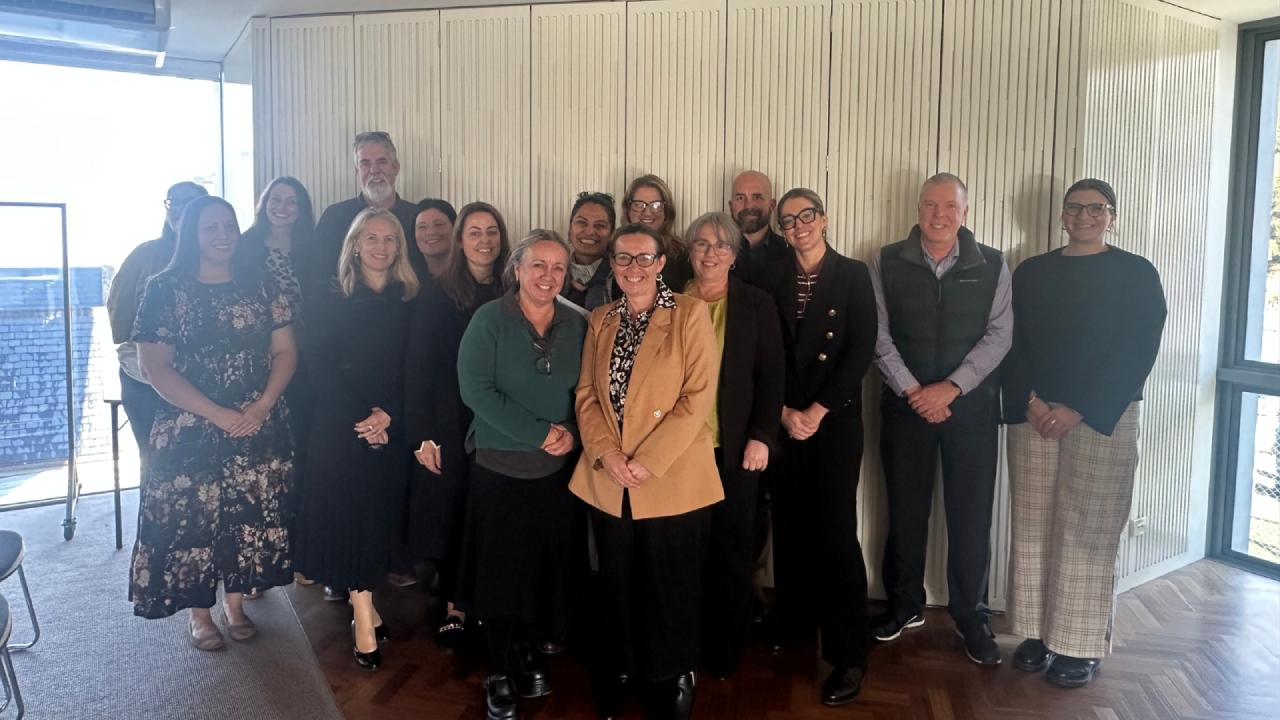
Five Inspire@Home staff recently attended the annual ResiROCKS Conference in Melbourne, hosted by the Centre for Excellence in Child and Family Welfare (the Centre). ResiROCKS brings together residential care workers from across Victoria and Tasmania to celebrate, strengthen and support the residential care workforce.
This year’s theme, Belonging, explored what belonging means for young people in care and the critical role residential care workers play in creating environments where young people feel safe, connected and valued.
The conference opened with a welcome from the Centre’s Tasmanian Executive Manager Strategy and Engagement, Venéy Hiller, and newly appointed CEO, Jamie Crosby, who formally launched the event by sharing his vision for the sector and reflecting on the significance of the Belonging theme.
A highlight of the day was a presentation by Dr Billy Garvey, paediatrician and leading advocate for child development and trauma-informed practice. Dr Garvey explored the impact of trauma across developmental stages, providing valuable insights into behaviours commonly seen in residential care and reinforcing the importance of a developmental lens when supporting young people.
Attendees also viewed a powerful documentary from 16 Yards, presented by founders Shayne Hood and Stephane Shepherd. Focusing on the experiences of young people involved in the youth justice system, the film highlighted the challenges they face and the transformative impact of mentoring and positive relationships in creating pathways for change and improved outcomes.
Staff who attended described the conference as an engaging and thought-provoking experience, offering valuable insights into trauma-informed practice, the concept of belonging, and the critical role of connection in the lives of young people.
Importantly, the event reinforced a strong sense of support from the broader child and youth services sector across Australia, highlighting the collective commitment to improving outcomes for children and young people. Attendees left with a renewed appreciation of the significant impact each worker can have on the lives of those in our care and the difference that consistent, supportive relationships can make.